Confirmed Speakers
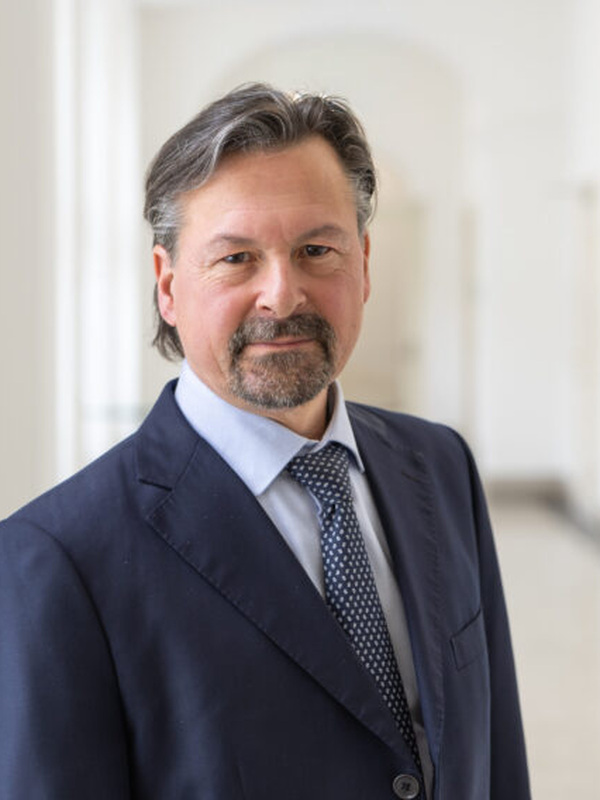
Johannes Attems
Institute of Neuropathology and Neuromolecular Pathology
Medical University Innsbruck – Innsbruck, Austria
At a glance: Johannes Attems’ research focuses on the characterization of mixed pathologies in the aging brain—Alzheimer’s, Lewy body, TDP-43, and vascular pathologies—and their impact on clinical phenotypes, in vivo diagnostics, and therapy.
Presentation title: Mixed Pathologies of the Aging Brain
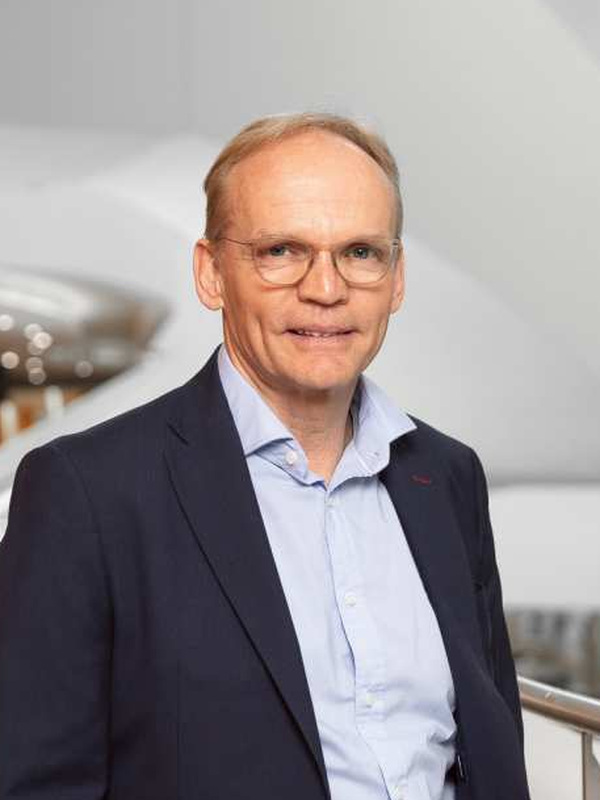
Jonathan Crowston
Save Sight Institute, Faculty of Medicine and Health
The University of Sydney – Sydney, Australia
At a glance: Jonathan G. Crowston’s research is primarily focused on understanding, measuring, and reversing glaucomatous damage to retinal ganglion cells, bridging molecular mechanisms, neuroprotection, and clinical management of glaucoma.
Presentation title: Neuroprotection for Glaucoma-Tackling Age-Related Loss of Neuronal Resilience
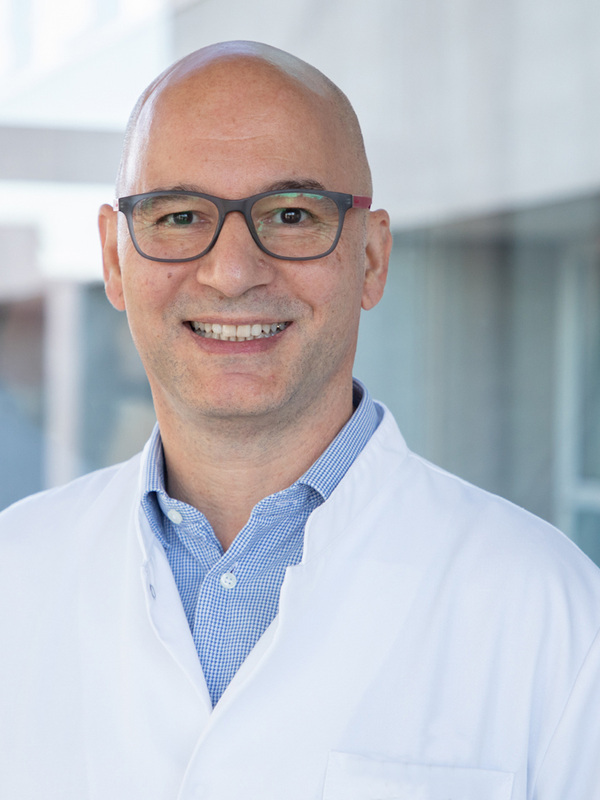
Emrah Düzel
Clinical Neurophysiology and Memory
German Center of Neurodegenerative Diseases (DZNE) – Magdeburg, Germany
At a glance: Emrah Düzel’s research centers on how hippocampal–dopaminergic memory circuits generate episodic memory and how their dysfunction in aging and Alzheimer’s disease can be detected and mechanistically understood using advanced neuroimaging and cognition.
Presentation title: Towards Integrating Circuit Dysfunction and Reserve Into the Clinical Management of Early Alzheimer’s Disease
Anders M. Fjell
Department of Psychology, Faculty of Sciences
University of Oslo – Oslo, Norway
At a glance: Anders M. Fjell’s research maps how brain structure, connectivity, and cognition change across the entire human lifespan and how these trajectories overlap with and diverge from neurodegenerative processes such as Alzheimer’s disease.
Presentation title: Capturing State Transitions in Cognitive Aging

Michel Goedert
MRC Laboratory of Molecular Biology
Cambridge Biomedical Campus – Cambridge, UK
At a glance: Michel Goedert’s research established that Alzheimer’s disease, Parkinson’s disease, and related neurodegenerative disorders are driven by the misfolding and prion-like propagation of tau and α-synuclein protein aggregates, defining the modern molecular taxonomy of neurodegeneration.
Presentation title: Cryo-EM Structures of Amyloid Filaments From the Human Brain
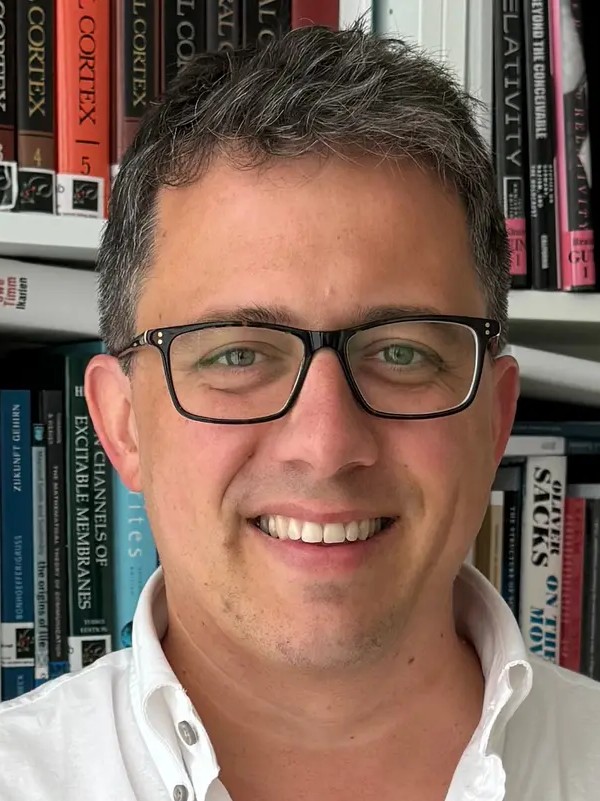
Moritz Helmstaedter
Department of Connectomics
Max Planck Institute for Brain Research – Frankfurt am Main, Germany
At a glance: Moritz Helmstaedter’s research focuses on mapping and interpreting brain circuits at synaptic resolution using connectomics and computational methods to link detailed neural wiring with principles of cortical function.
Presentation title: Synaptic-Resolution Connectomics: Densely Mapping Brain Networks in Health and Disease
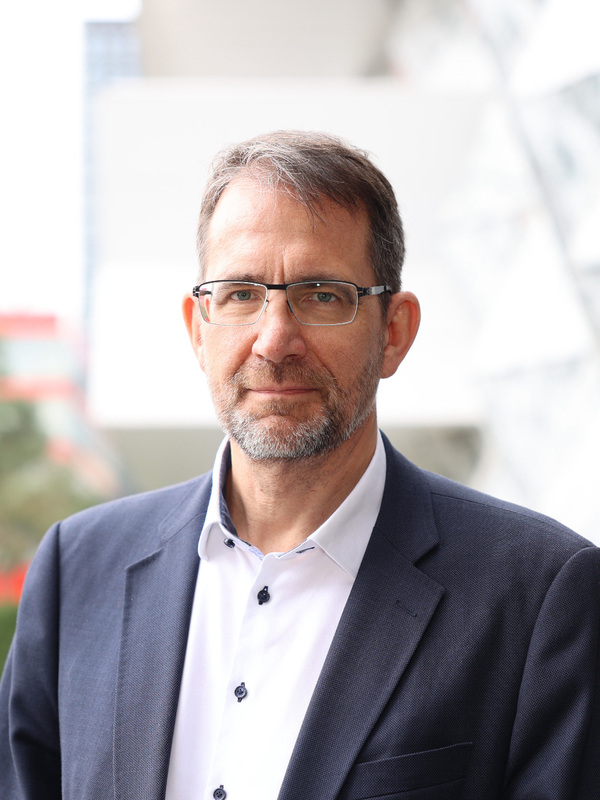
Michael Heneka
Luxembourg Center of Systems Biomedicine
University of Luxembourg – Esch-sur-Alzette, Luxembourg
At a glance: Michael T. Heneka’s research defines Alzheimer’s disease as a neuroinflammatory disorder in which innate immune activation—especially microglial inflammasome signaling—drives and amplifies amyloid and neurodegenerative pathology.
Presentation title: Targeting Innate Immunity to Treat Neurodegenerative Disease
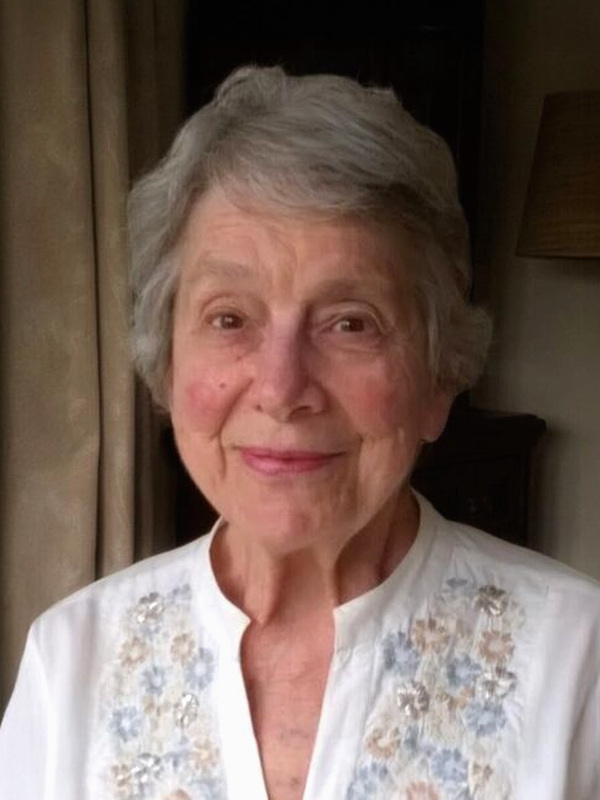
Ruth Itzhaki
The Oxford Institute of Population Ageing
University of Oxford – Oxford, UK
At a glance: Ruth Itzhaki’s research centers on the hypothesis that Alzheimer’s disease is driven in part by latent HSV-1 infection of the brain, with disease risk and progression amplified by Apolipoprotein E (APOE-ε4) and repeated viral reactivation leading to amyloid and tau pathology.
Presentation title: Herpes Simplex Type 1 Virus (HSV-1) and Alzheimer’s Disease: The Enemy Within
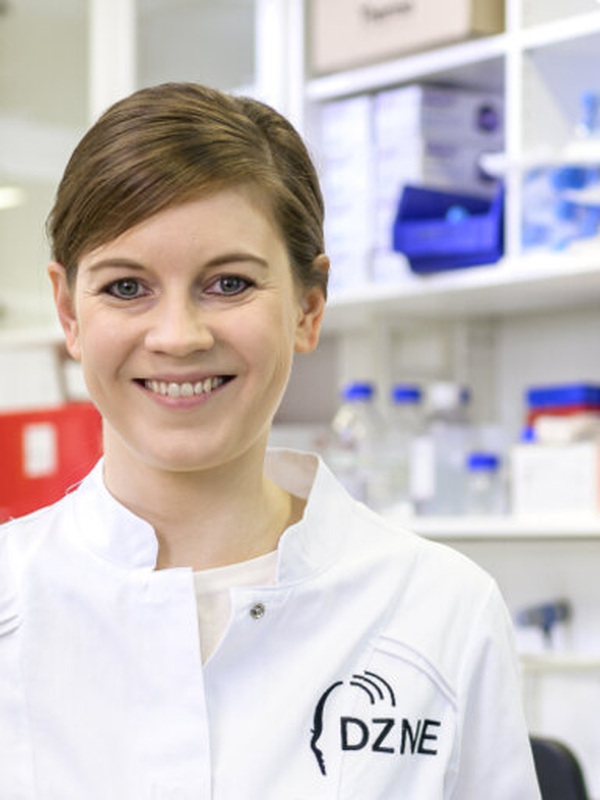
Sabine Krabbe
Functional Diversity of Neuronal Circuits
German Center of Neurodegenerative Diseases (DZNE) – Bonn, Germany
At a glance: Sabine Krabbe’s research focuses on how diverse inhibitory interneuron circuits in the amygdala and related brain regions dynamically control learning, memory formation, and fear-driven behavior through cell-type–specific circuit plasticity and disinhibitory mechanisms.
Presentation title: From Function to Dysfunction: Amygdala Circuits in Health and Disease
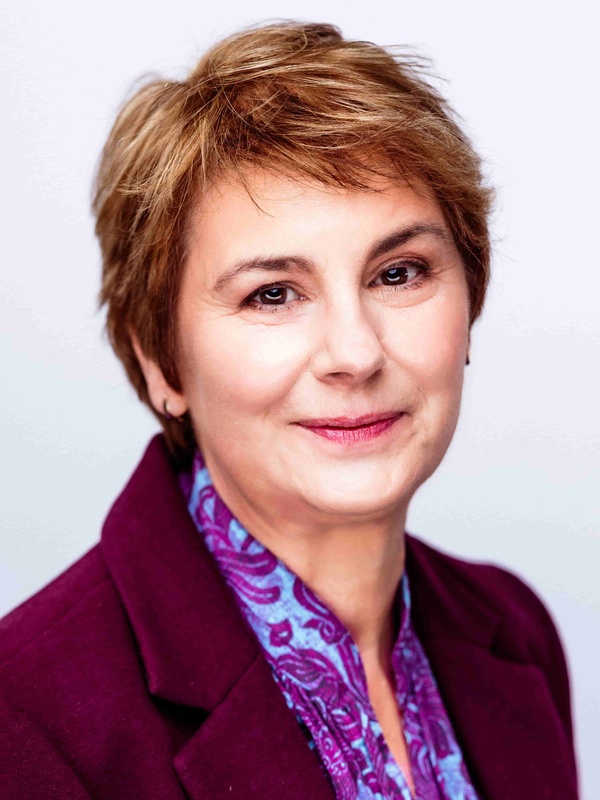
Pamela Lein
Molecular Biosciences, School of Veterinary Medicine
University of California Davis – Davis, USA
At a glance: Pamela J. Lein’s research focuses on how environmental toxicants disrupt neuronal calcium signaling and synaptic development, leading to neurodevelopmental and long-term neurological dysfunction through cellular and neuroimmune mechanisms.
Presentation title: The Neural Exposome: What is it and Why is it Relevant to the Study of Neurodegeneration?
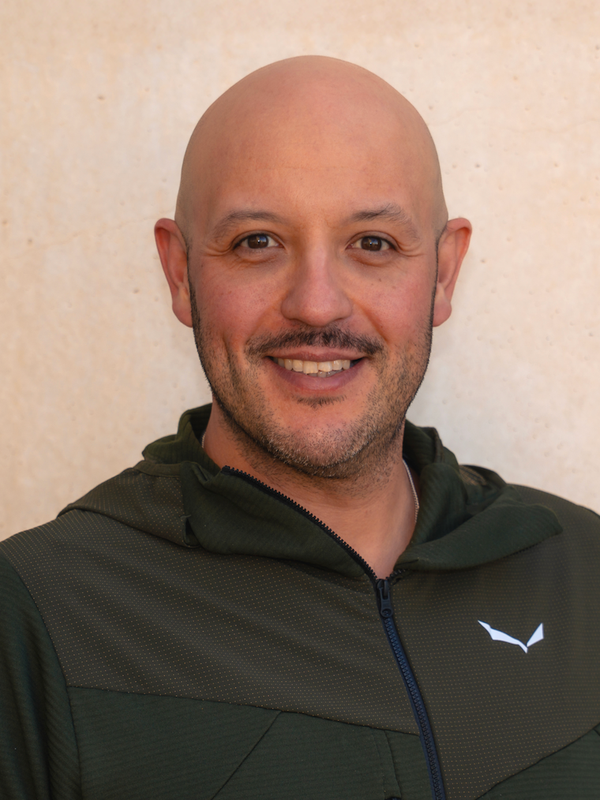
Jerome Mertens
Neural Aging Laboratory, Department of Neurosciences
University of California San Diego – San Diego, USA
At a glance: Jerome Mertens’ research focuses on modeling human neuronal aging using iPSC-based systems to uncover how age-dependent cellular and molecular changes contribute to Alzheimer’s disease and neurodegeneration.
Presentation title: From Old Skin to Old Brain: Direct Conversion to Explore the Interface Between Aging and Alzheimer’s Disease
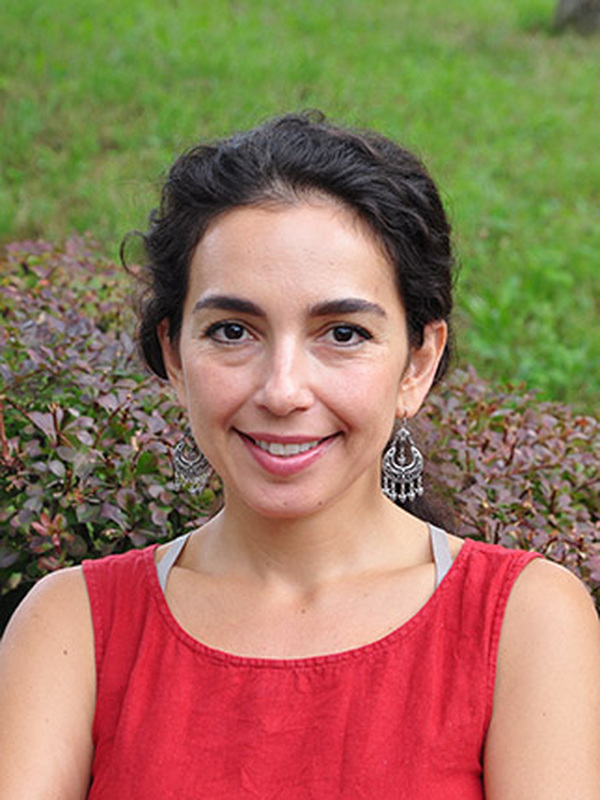
Vassiliki Nikoletopoulou
Department of Fundamental Neurosciences
University of Lausanne – Lausanne, Switzerland
At a glance: Vassiliki Nikoletopoulou’s research focuses on how neurotrophic and stress-related signaling pathways regulate neuronal survival, death, and circuit refinement during development and how these mechanisms relate to neurodegenerative vulnerability.
Presentation title: Balancing Autophagic Degradation and Secretion in the Healthy and Aging Brain
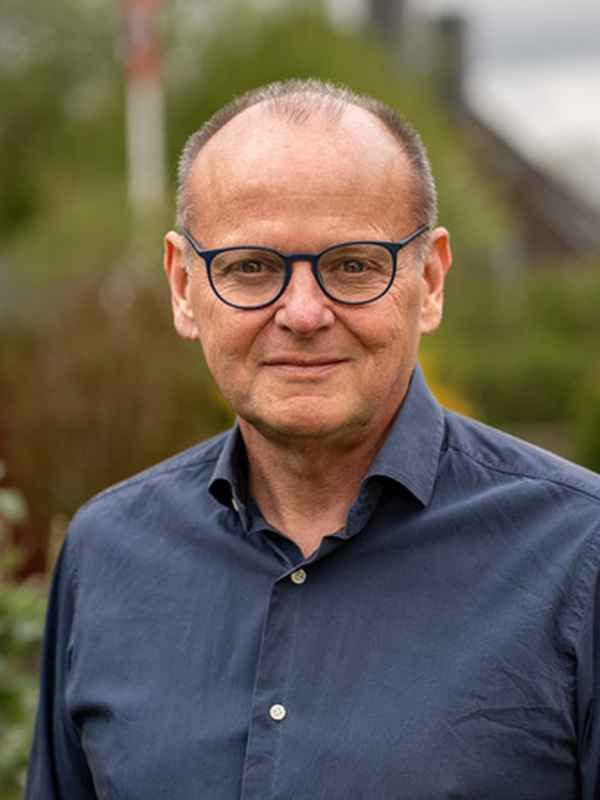
Paul Saftig
Institute of Biochemistry
Christian Albrecht University Kiel – Kiel, Germany
At a glance: Paul Saftig’s research focuses on how lysosomal enzymes and membrane-associated proteases regulate protein processing, cellular homeostasis, and disease mechanisms, particularly in Alzheimer’s disease and lysosomal storage disorders.
Presentation title: Beyond Waste Disposal: Lysosomes as Drivers and Targets in Neurodegeneration
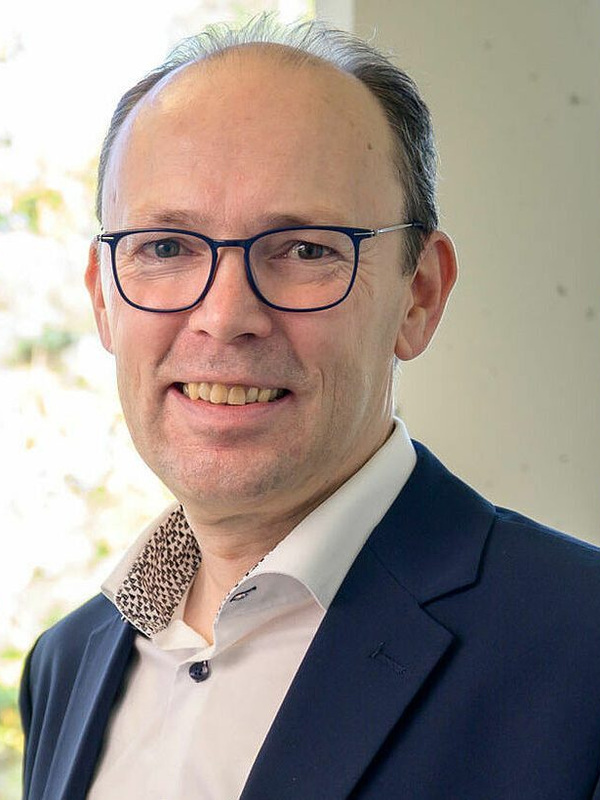
Joachim Schultze
Clinical Single Cell Omics (CSCO), Systems Medicine
German Center of Neurodegenerative Diseases (DZNE) – Bonn, Germany
At a glance: Joachim L. Schultze’s research focuses on decoding human immune system complexity—particularly monocyte and macrophage diversity—using systems and single-cell approaches to identify disease-related immune signatures and biomarkers, especially in neurodegenerative and inflammatory disorders.
Presentation title: Dementia and Peripheral Immune Deviations: After all a Systemic Disease?
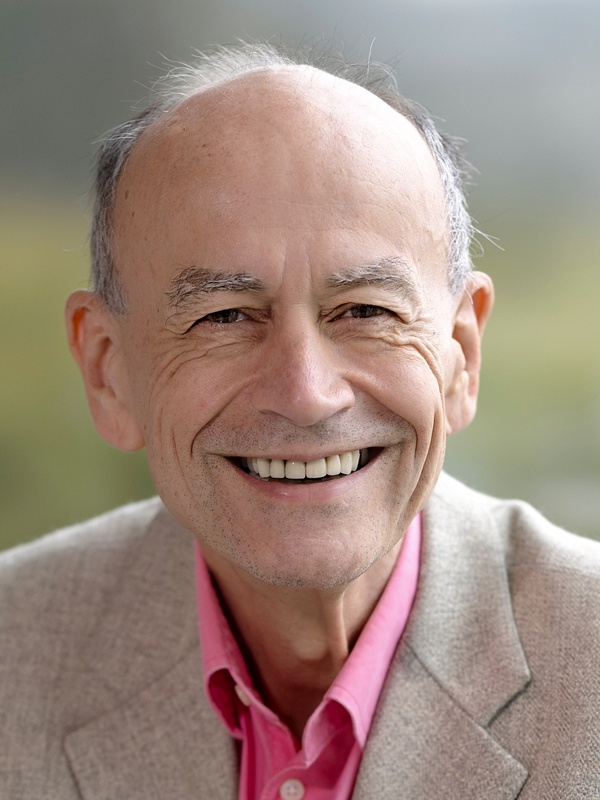
Thomas C. Südhof
School of Medicine
Stanford University – Stanford, USA
At a glance: Thomas C. Südhof’s research elucidates the molecular machinery of synaptic transmission and synapse formation, defining how synaptic vesicles release neurotransmitters and how synaptic connections are specified and regulated in the brain. 2013 Nobel Prize (Phys./Med.) recipient.
Presentation title: A Synaptic Perspective on Alzheimer’s Disease
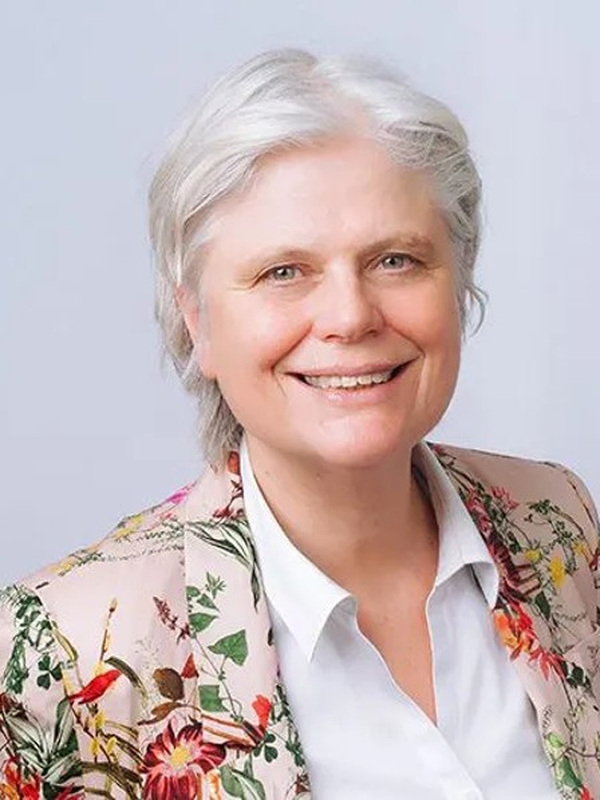
Cornelia van Duijn
Oxford Population Health
University of Oxford – Oxford, UK
At a glance: Cornelia van Duijn’s research focuses on identifying genetic and environmental determinants of neurodegenerative and age-related diseases through large-scale epidemiological and genomic studies, with a particular emphasis on dementia and brain health in aging populations.
Presentation title: TBA
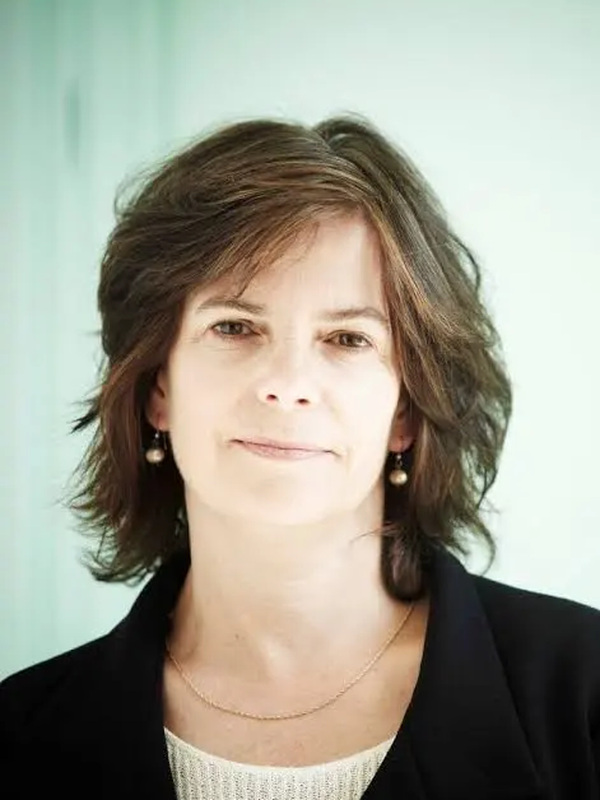
Kristine Yaffe
Center for Population Brain Health
University of California San Francisco – San Francisco, USA
At a glance: Kristine Yaffe’s research focuses on identifying epidemiological and clinical risk factors for cognitive decline and dementia across the lifespan, with a strong emphasis on vascular health, brain injury, and modifiable contributors to brain aging.
Presentation title: Midlife as a Window of Opportunity for Dementia Prevention and Early Neurodegeneration
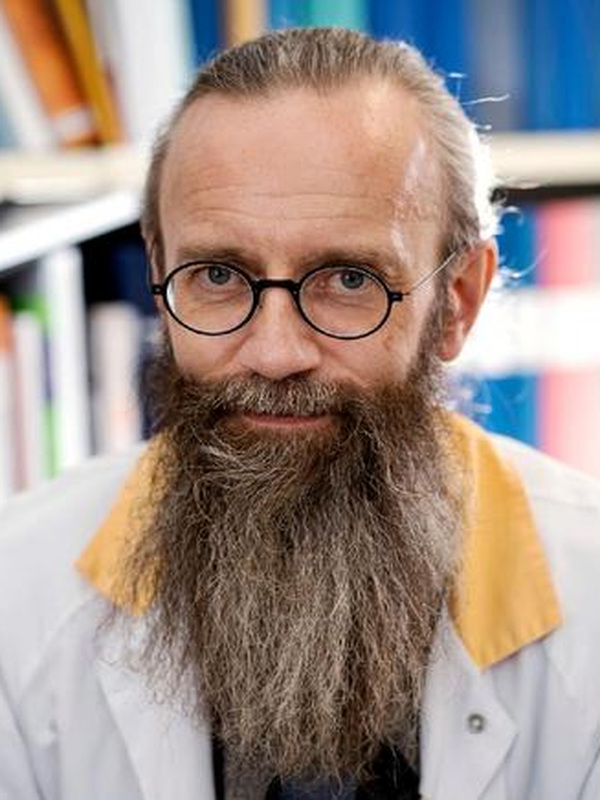
Henrik Zetterberg
Department of Psychiatry and Neurochemistry, Institute of Neuroscience and Physiology
University of Gothenburg – Gothenburg, Sweden
At a glance: Henrik Zetterberg’s research focuses on developing and validating fluid biomarkers of neuronal injury and neurodegeneration to improve diagnosis, staging, and monitoring of diseases such as Alzheimer’s disease and traumatic brain injury.
Presentation title: Biofluid-based Biomarkers for Neurodegenerative
Dementias—Beyond Amyloid and Tau
Scientific Committee
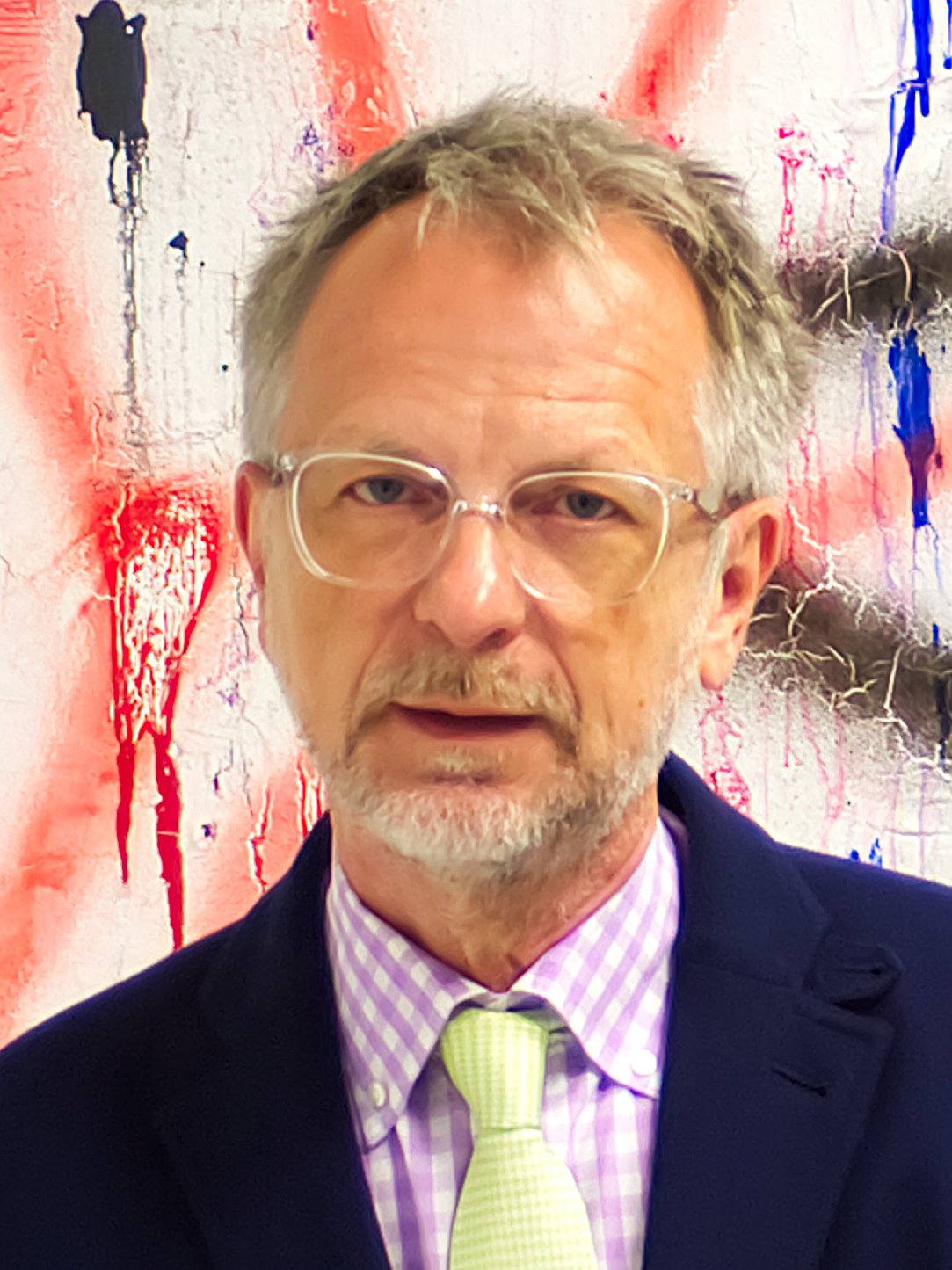
Christian Behl
Institute of Pathobiochemistry, University Medical Center
Johannes Gutenberg University Mainz – Mainz, Germany
At a glance: Christian Behl’s research focuses on the molecular mechanisms of neurodegeneration, with particular emphasis on oxidative stress, cellular stress responses, autophagy, proteostasis, neuronal resilience and neuroprotective pathways in Alzheimer’s disease and age-related brain disorders.
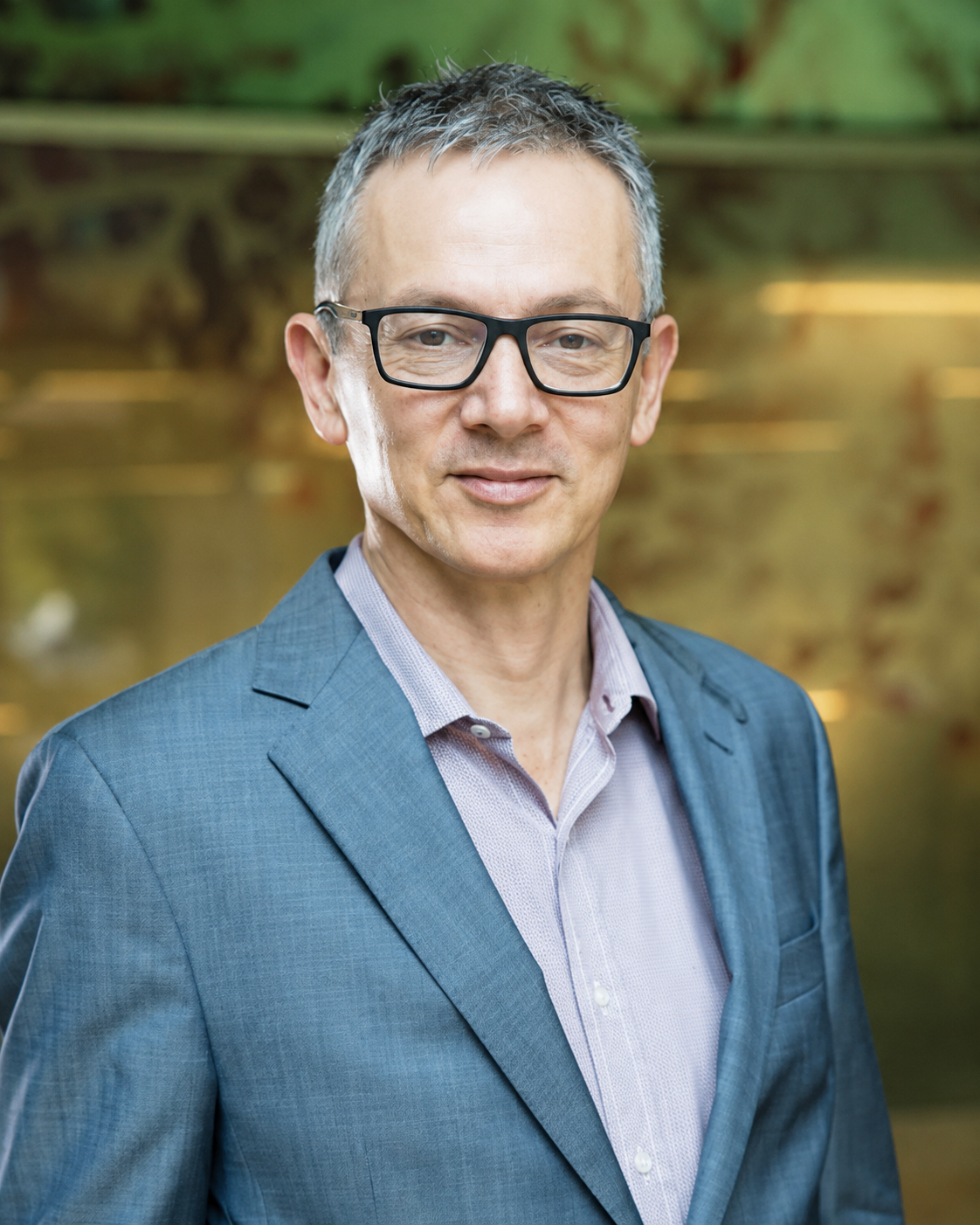
Jürgen Götz
Queensland Brain Institute
The University of Queensland – Brisbane, Australia
At a glance: Jürgen Götz’s research focuses on the molecular drivers of Alzheimer’s disease—particularly tau pathology—and their translation into novel therapies, including ultrasound-based approaches to modify disease progression.
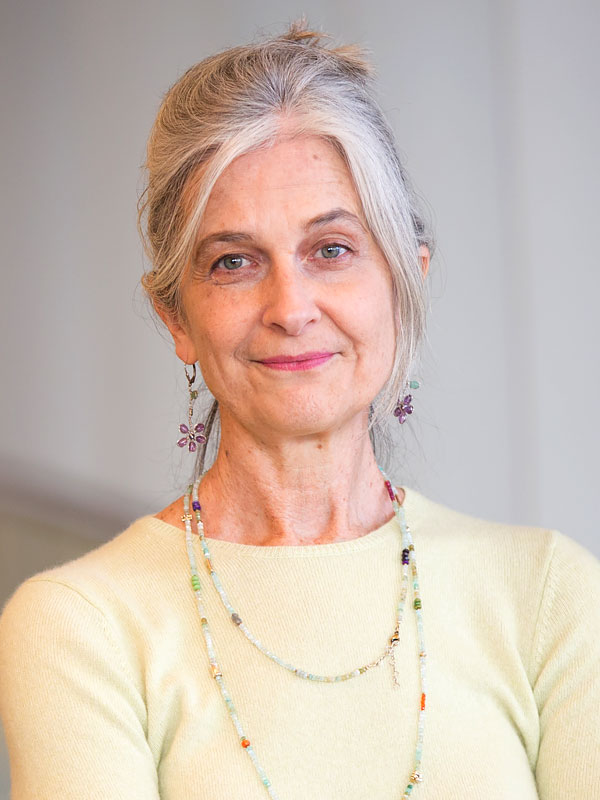
Tia Powell
Department of Epidemiology & Population Health & Department of Psychiatry and Behavioral Sciences
Albert Einstein College of Medicine – New York, USA
At a glance: Tia Powell’s work focuses on bioethics issues in dementia care, end-of-life decision-making, and crisis standards of care, and on the effort to make tools for ethical decisions in medicine more widely available to the public.
Presentation title: The Promise: Caregiving and Moral Dilemmas